Key Highlights
- Correctly identifying the type of pigmentation is the most important step.
- Different skin tones require different safety protocols and treatment settings.
- Evaluating the potential downtime is essential for planning your treatment schedule.
- The experience and technology available at the clinic directly affect the outcome’s success.
- Post-treatment care is vital for maintaining results and preventing recurrence.
Introduction
Hyperpigmentation is a common skin concern that manifests as dark patches or spots on the skin. Whether sun exposure, hormonal changes, or inflammation from acne causes these, it can be a frustrating issue to manage. While many over-the-counter products claim to lighten the skin, professional face pigmentation removal is often necessary to achieve significant and lasting results. However, with so many different options available, from lasers and peels to topical medications, it can be overwhelming to know which path to take. Choosing the right treatment for pigmentation requires a thoughtful approach that considers several key factors to ensure both safety and efficacy.
Identifying the Type of Pigmentation
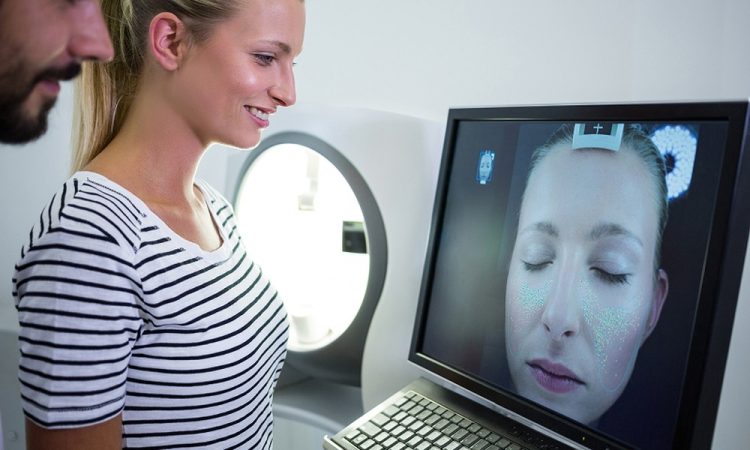
The first and most critical factor is having an accurate diagnosis of your specific pigmentation type. Not all dark spots are the same; for instance, melasma, freckles, and post-inflammatory hyperpigmentation (PIH) all behave differently. Melasma is linked to hormones and can be worsened by heat, while solar lentigines are purely sun-related. Attempting face pigmentation removal without knowing what you are treating can lead to poor results or even worsen the condition. A professional consultation using skin analysis tools can determine whether the pigment is located in the superficial epidermis or the deeper dermis. This distinction is vital because it dictates the type of energy or chemical concentration needed for successful clearance.
Considering Your Skin Tone
Your natural skin tone plays a huge role in determining the safest treatment for pigmentation. Individuals with darker skin tones are at a higher risk of developing PIH if the treatment is too aggressive. This is because the melanocytes in darker skin are more reactive to heat and trauma. When selecting a method for face pigmentation removal, it is important to ensure that the technology used is suitable for your specific ethnicity and skin type. Many modern lasers now come with specific settings designed to safely treat pigmented lesions in darker skin without causing collateral damage. Always ask your clinician about their experience with your skin type and the safety measures they have in place.
Assessing Downtime and Lifestyle
Another practical factor to consider is the amount of downtime you can realistically accommodate. Some intensive treatments might offer faster results but may involve several days of redness, peeling, or even temporary darkening of the spots. If you have a busy work schedule or upcoming social events, you might prefer a more gradual treatment for pigmentation that enables you to return to your daily activities immediately. Non-ablative lasers or gentle chemical peels are often preferred for those who need to maintain their routine. Understanding the recovery process beforehand helps in managing your expectations and ensures that the treatment fits seamlessly into your lifestyle without causing undue stress.
Clinic Expertise and Technology
The quality of the technology and the provider’s expertise are paramount. Effective face pigmentation removal requires a deep understanding of skin biology and laser physics. A reputable clinic will invest in high-quality, medical-grade equipment that provides consistent and predictable results. Furthermore, the practitioner should be able to explain the reason behind their recommended treatment for pigmentation. They should provide a clear roadmap of how many sessions you might need and what the expected outcome will be. Choosing a clinic that prioritises patient education and safety will always yield better long-term satisfaction than choosing based on price alone.
Conclusion
Tackling pigmentation is a journey that requires the right tools and a personalised strategy. By taking the time to understand your skin type, the nature of your pigmentation, and the requirements of each treatment, you can make a choice that leads to a brighter, clearer complexion. Remember that consistency and protection are key to maintaining your results. With professional help and the right care, you can effectively manage discolouration and enjoy the confidence that comes with healthy, radiant skin.
Get in touch with Veritas Medical Aesthetics for a personalised assessment and to discover the most advanced options for your skin.