Key Takeaways
- RF microneedling works beneath the surface, while a facial treatment for pores focuses mainly on cleansing and extraction.
- Structural concerns such as sagging skin and acne scars respond better to controlled collagen stimulation.
- Results from RF microneedling continue improving for months because collagen rebuilding takes time.
Introduction
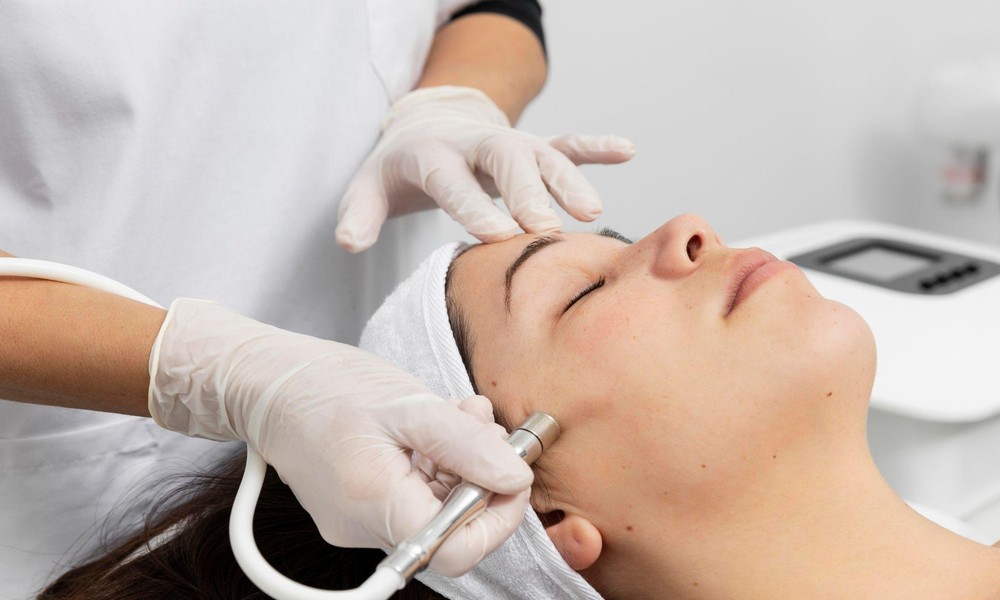
Many people invest in a monthly facial treatment for pores and still notice visible texture on their cheeks and nose under natural light. Extractions remove blackheads and surface debris, but the pore walls remain stretched if the underlying skin lacks firmness. When enlarged pores stem from collagen loss, acne scarring, or oil gland overactivity, surface cleansing alone cannot correct the issue. RF microneedling addresses these deeper causes by delivering radiofrequency heat into the dermis while creating controlled micro-injuries. This dual action stimulates collagen and tightens the tissue surrounding each pore. Below are six specific situations where RF microneedling offers greater and longer-lasting improvement than a regular facial.
1. When Pores Look Elongated Instead of Round
Ageing skin often causes pores to appear stretched downward along the cheeks. This shape change happens because collagen weakens and gravity pulls the skin. A facial treatment for pores can cleanse and hydrate the area, but it does not tighten the supporting tissue. RF microneedling heats the deeper dermal layers and triggers collagen contraction. As the skin firms over the following weeks, the pore opening appears smaller and more circular.
2. When Acne Scars Create Uneven Texture
Ice-pick and boxcar scars leave depressions that exaggerate pore visibility. Manual facials cannot reach the depth required to rebuild damaged tissue. Insulated needles are used in RF microneedling to apply energy beneath the surface, where scar tissue is located. The controlled injury stimulates the body to produce new collagen fibres that gradually lift and smooth the depressed areas. Over several sessions, the skin surface becomes more even, and pores blend more naturally into the surrounding tissue.
3. When Pores Reopen Quickly After Extractions
After receiving a cosmetic treatment, some people observe that their pores appear cleaner right away, but they revert to their expanded state in a matter of days. This cycle repeats because the pore walls remain lax and oil production continues at the same rate. RF microneedling targets both structure and oil activity. The heat energy partially regulates sebaceous glands while strengthening the surrounding dermis. This combined effect reduces how quickly pores refill and stretch.
4. When Skin Feels Thick or Rough Under Makeup
Sun exposure and chronic congestion can lead to a coarse texture that makeup struggles to smooth over. Superficial exfoliation improves glow but does not refine deeper irregularities. RF microneedling remodels the dermal layer where long-term sun damage accumulates. As collagen production increases, the skin surface gradually feels more compact and refined. Foundation applies more evenly because the base texture improves rather than being temporarily polished.
5. When Skincare Products No Longer Improve Results
Retinol, niacinamide, and chemical exfoliants support pore care, but they depend on consistent surface penetration. When results plateau, the limitation often lies in structural support rather than product choice. RF microneedling creates microchannels that enhance absorption during professional treatments. More importantly, it restarts collagen production at a level that topical products cannot reach. Rather than adding extra ingredients to the skin’s surface, this method fortifies the skin from the inside out.
6. When You Want Results That Last Beyond a Few Weeks
A facial treatment for pores delivers immediate smoothness because it removes debris and hydrates the skin. The visible improvement usually fades as oil production resumes and natural shedding continues. A wound-healing response is triggered by RF microneedling and develops progressively over the course of three to six months. Collagen fibres reorganise and thicken during this period, leading to progressive tightening around each pore. Patients often notice continued refinement weeks after the initial redness subsides.
Conclusion
Facials are essential for cleanliness and maintenance, especially for clogged pores and surface congestion. A technique that targets the underlying causes of structural issues, such as laxity, acne scarring, and chronic texture, is necessary. In order to treat these deeper layers, RF microneedling tightens the tissue surrounding the pore opening and stimulates collagen. When enlarged pores continue after routine facials, determining the underlying cause helps determine whether a more aggressive approach is necessary. Before suggesting treatment, a trained medical professional can evaluate the oil activity, scar depth, and skin thickness.
To schedule a professional consultation and determine whether RF microneedling is appropriate for your pore and texture issues, get in touch with Halley Aesthetics.