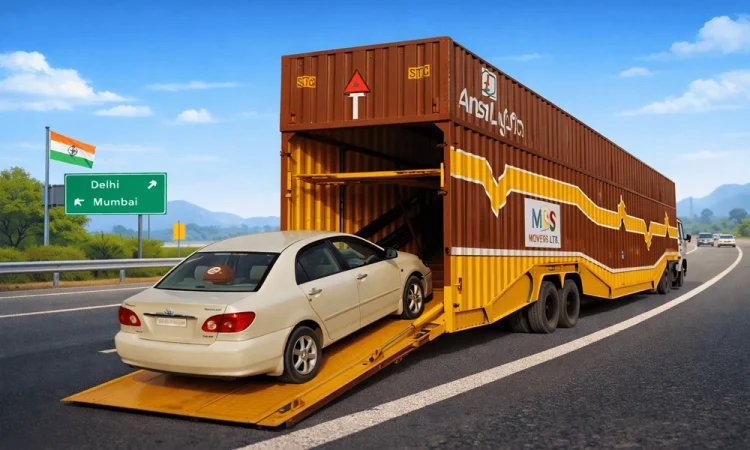
Introduction: Why Understanding Vehicle Transport Costs Matters
Shipping a car isn’t as simple as purchasing a plane ticket-if you’ve ever requested an auto transport quote, you’ve likely seen estimates vary by hundreds or even thousands of dollars for what seems like the exact same route.
Understanding why these price differences exist is the single best way to avoid unexpected fees, delays, and rogue operators. Rather than relying on a single fixed rate, auto shipping pricing moves dynamically based on carrier supply, vehicle size, route geography, and time of year.
To navigate the market safely, it helps to understand the mechanics behind these costs. Unusually low quotes often signal hidden fees or unreliable brokers, while a reputable auto transport company will prioritize transparent pricing, walking you through every variable before your vehicle ever touches a flatbed or trailer.
In this guide, we’ll break down exactly how carriers calculate auto shipping prices, compare different shipping methods, outline realistic cost ranges, and share practical strategies to lower your total cost to ship a car.
How Auto Shipping Companies Calculate Vehicle Transport Costs
Vehicle transport pricing relies on dynamic market factors. A professional auto transport company assesses a combination of logistical constraints, route efficiencies, and vehicle specifications before generating a quote.
Shipping Distance
While it may seem counterintuitive, longer shipping routes generally carry a lower cost per mile than short trips, directly impacting the overall cost to ship a car.
- Short-Distance Shipments (0-500 miles): Higher cost per mile ($1.00 – $2.00+/mile). The carrier incurs fixed overhead costs-such as loading time, fuel for local city driving, and driver labor-regardless of how far they drive.
- Long-Distance & Cross-Country Shipments (1,000+ miles): Lower cost per mile ($0.50 – $0.75/mile). Long stretches on major interstate corridors allow drivers to maximize fuel efficiency and amortize their fixed operating expenses over greater distances.
Pickup and Delivery Locations
Where your car is picked up and dropped off heavily influences driver accessibility and route efficiency:
- Major Metropolitan Hubs: Metro areas near major interstates (e.g., Dallas, Atlanta, Chicago) see dense carrier traffic. Higher competition among drivers keeps the cost to ship a car lower.
- Rural & Remote Locations: Off-grid or small-town locations require carriers to detour off main highway routes. Detours burn extra fuel, waste drive-time hours under federal safety regulations, and reduce carrier efficiency, resulting in higher quotes.
Vehicle Size and Weight
Carriers charge based on the physical space a vehicle occupies and its impact on the truck’s overall weight capacity. Standard car haulers working with an auto transport company are bound by federal Gross Vehicle Weight Ratings (GVWR).
- Sedans & Hatchbacks: Standard footprint and lighter weight result in the lowest baseline pricing.
- SUVs & Crossovers: Occupy extra height and length while adding 500 to 1,000+ pounds, slightly increasing transit rates.
- Trucks, Vans & Lifted Vehicles: Heavy weight and oversized footprints can take up the space of 1.5 standard cars, pushing the transport truck closer to legal weight limits and driving up costs.
Larger vehicles take up a bigger physical footprint on multi-car haulers, increasing the overall cost to ship a car.
Vehicle Condition
Carriers evaluate whether a vehicle can be driven onto the trailer under its own power:
- Running Vehicles: Easily driven on and off multi-car haulers with minimal labor.
- Non-Running Vehicles: Require specialized winch equipment, extra labor, and specific loading procedures to secure safely.
- Modified Vehicles: Lowered suspensions require specialized ramps, while lifted trucks may require oversized open-trailer placement, adding specialized equipment fees to the quote.
Shipping Method and How It Impacts Pricing
Your choice of transport equipment directly influences the base rate and overall cost to ship a car.
- Open Transport: The most affordable and common choice (representing 90%+ of the market). Vehicles ride on open multi-car haulers.
- Enclosed Transport: Premium protection that shields cars completely from weather and road debris. Typically costs 40% to 60% higher than open transport.
Open Auto Transport
Open auto transport is the industry standard and the most cost-effective service offered by any auto transport company.
- Overview: Vehicles are loaded onto open, two-tier car haulers (typically carrying 7 to 10 cars at once).
- Best For: Everyday commuter cars, lease returns, standard sedans, and budget-conscious relocations.
- Pros: Highly accessible, widely available, and significantly reduces the cost to ship a car due to shared space on high-capacity haulers.
Enclosed Auto Transport
Enclosed auto transport provides a completely covered environment, shielding vehicles from road debris, weather elements, and outside exposure.
- Overview: Vehicles travel inside a fully covered trailer equipped with hydraulic liftgates and soft-tie down systems.
- Pricing: Generally increases the overall cost to ship a car by 40% to 60% over open transport due to lower trailer capacity (2 to 6 cars max) and specialized driver training.
- Best For: Luxury vehicles, classic cars, exotic sports cars, high-value prototypes, and restoration projects.
Door-to-Door vs. Terminal-to-Terminal
- Door-to-Door Transport: The driver picks up and drops off your vehicle as close to your specified address as safely possible. It provides maximum convenience, though narrow residential streets, low-hanging trees, or strict municipal truck bans may require meeting the driver in a nearby wide-open parking lot (like a shopping center).
- Terminal-to-Terminal Transport: You drop off and pick up your vehicle at a regional storage facility managed by or affiliated with an auto transport company. While occasionally cheaper upfront, terminal drop-offs often incur hidden daily storage fees, limited operating hours, and higher risks of minor lot damage while sitting unattended.
Additional Factors That Influence Auto Shipping Prices
Beyond distance and vehicle type, external market dynamics impact daily freight rates and the final cost to ship a car:
- Seasonal Demand: Auto transport pricing peaks during key seasonal shifts. Summer is the busiest moving season nationwide, which drives up demand. Additionally, “Snowbird Season“ (autumn moves to Florida/Arizona and spring moves back North) creates massive regional demand spikes along northbound and southbound corridors.
- Fuel Prices: Diesel fuel accounts for a large portion of a carrier’s operating expense. When national diesel prices climb, haulers adjust their rates via fuel surcharges to cover operating costs.
- Carrier Availability & Route Popularity: Transporting a car along well-traveled interstate corridors (such as I-95 from New York to Miami or I-10 from Florida to California) is cheaper because trucks fill up quickly. Shipping along remote, low-demand routes costs more because brokers must offer higher payouts to entice carriers to alter their travel paths.
- Expedited Shipping: If you need a guaranteed pickup date or urgent transit, expedited shipping places your order at the top of carrier job boards. Expect to pay a 25% to 50% premium for prioritized dispatch.
Average Vehicle Shipping Cost Ranges
Below are general industry estimates to help you budget when hiring an auto transport company.
Writer Note: The figures below are estimated national averages based on standard, running sedans under normal market conditions. Actual rates vary based on seasonal demand, fuel prices, and exact ZIP codes. Request a personalized quote for precise pricing regarding your specific cost to ship a car.
- Local Transport (0 – 500 miles):
- Open Transport: $450 – $750
- Enclosed Transport: $700 – $1,100
- Regional Transport (500 – 1,000 miles):
- Open Transport: $750 – $1,100
- Enclosed Transport: $1,100 – $1,600
- Cross-Country Transport (1,000 – 2,500+ miles):
- Open Transport: $1,100 – $1,800+
- Enclosed Transport: $1,800 – $2,800+
- Expedited Service (Any Distance):
- Adds 25% to 50%+ over standard base rates.
Step-by-Step Checklist Before Requesting a Vehicle Shipping Quote
To get an accurate, binding quote without surprise add-ons, gather your information and prepare your vehicle using this quick checklist before contacting an auto transport company:
- [ ] Know your exact ZIP codes: Have the precise pickup and delivery ZIP codes ready (not just city names).
- [ ] Confirm vehicle details: Note the exact year, make, model, trim level, and any modifications (e.g., roof racks, lift kits).
- [ ] Verify running condition: Determine if the vehicle rolls, steers, brakes, and starts under its own power.
- [ ] Select preferred transport type: Decide between standard open or enclosed protection.
- [ ] Establish target dates: Define your ideal pickup window and evaluate your flexibility.
- [ ] Choose service level: Determine if you need standard door-to-door or terminal handling.
- [ ] Gather main contact info: Ensure you provide an active phone number and email address for dispatch updates.
- [ ] Document condition: Clean the car, take clear photos of all four angles, and note pre-existing scratches or dents.
- [ ] Remove personal belongings: Clear out personal items to stay within weight limits and avoid non-insured loss claims.
How to Reduce Your Vehicle Shipping Costs
If you want to reduce your overall cost to ship a car without compromising vehicle safety, keep these practical tips in mind:
Book Early
Placing your order 2 to 3 weeks in advance gives freight dispatchers at your auto transport company ample time to match your vehicle with an ideal carrier along a scheduled route, preventing costly last-minute spot-rate surcharges.
Be Flexible with Pickup Dates
Allowing a 3- to 5-day window for pickup gives carriers room to balance their loading schedules. Flexibility often translates into lower quotes, as drivers prefer filling remaining trailer spots on established routes over altering their schedules for rigid pickup demands.
Choose Open Transport
Unless you are shipping a high-value collector car, exotic vehicle, or delicate classic, open auto transport offers safe, reliable, and industry-proven protection while keeping the cost to ship a car as economical as possible.
Ship During Off-Peak Seasons
If your schedule allows, avoid booking during mid-summer peak moving months or the January snowbird rush. Late fall and mid-winter (excluding major holidays) typically see lower overall demand and more competitive rates.
Compare Value Instead of Lowest Price
Evaluating an auto shipping quote requires looking beyond the bottom line. Low bids often come from low-quality brokers who post impossibly cheap rates on load boards, leaving your car stranded when no carrier accepts the job.
- Low-Ball Quotes: Higher risk of delays, unexpected hidden fees, and poor customer communication.
- Fair-Market Value Quotes: Fully vetted carriers, verified insurance coverage, transparent pricing structures, and dedicated customer support.
Prioritize working with an established auto transport company that provides clear insurance policies, active FMCSA licensing, positive customer reviews, and responsive communication over lowball pricing.
Common Mistakes That Increase Vehicle Shipping Costs
- Waiting Until the Last Minute: Booking on short notice forces you into paying premium expedited dispatch rates to secure limited carrier space.
- Selecting the Cheapest Quote Without Research: Ultra-low quotes often hide unexpected terminal transfer charges, fuel surcharges, or insurance deductible add-ons after your vehicle is picked up.
- Providing Incorrect Vehicle Details: Failing to declare aftermarket modifications (like a lifted suspension or dual rear wheels) can lead to turned-away haulers or steep dry-run fees at pickup.
- Ignoring Seasonal Demand Shifts: Scheduling shipments along major seasonal transit routes (e.g., South-to-North in spring) without accounting for peak demand pricing leads to unexpected budget overruns.
- Selecting Expedited Shipping Unnecessarily: Paying for expedited service when your delivery timeframe is actually flexible adds unnecessary expenses to your total cost to ship a car.
- Leaving Personal Belongings Inside the Vehicle: Overloading your trunk or back seat with personal items adds weight, risks fine assessments from DOT weigh stations, and exposes un-inspected items to theft or transit damage.
- Not Preparing a Non-Running Vehicle: Neglecting to inform the auto transportcompany that your car does not start, steer, or roll properly can cause driver delays and unexpected winch fees.
- Misunderstanding Insurance Coverage: Assuming carrier insurance covers personal belongings left inside the cabin-or failing to verify primary carrier liability limits-can lead to out-of-pocket costs in the event of an accident.
What to Expect During Vehicle Pickup
Knowing what happens during pickup helps ensure a smooth, worry-free process when the car hauler arrives.
Before the Carrier Arrives
- Wash your car thoroughly so pre-existing paint condition, chips, and minor dents are easily visible during inspection.
- Remove all personal belongings, toll tags (E-ZPass, SunPass), parking passes, and aftermarket GPS units.
- Leave your fuel tank approximately one-quarter full-this provides enough fuel for loading and unloading maneuvers while minimizing unnecessary weight on the trailer.
- Turn off security alarms or provide clear written instructions to the driver on how to disarm them.
Vehicle Inspection
When the driver arrives, you will complete a joint physical inspection:
- Bill of Lading (BOL): The driver fills out the official Bill of Lading, which acts as your official receipt, inspection report, and transport contract.
- Condition Assessment: Walk around the vehicle together, noting scratches, paint damage, or structural defects on the report diagram.
- Photos & Signatures: Take clear, high-resolution photos of your vehicle in daylight. Review the details on the BOL, confirm accurate mileage counts, and sign the document before handover.
During Transport
While your car is en route, a reliable auto transport company will keep you updated with real-time tracking information or direct coordinator check-ins. Keep in mind that bad weather, highway construction, traffic incidents, and strict federal Hours of Service (HOS) driver limits can shift delivery windows slightly. Clear communication with your transport coordinator helps manage these updates smoothly.
Why Transparent Pricing Matters When Choosing an Auto Transport Company
When trusting a business with your vehicle, complete pricing transparency is essential. Cheap quotes often come with hidden costs-such as unannounced fuel surcharges, insurance add-on fees, or unexpected terminal drop-off expenses that drastically inflate the overall cost to ship acar.
A trustworthy auto transport company operates with complete clarity:
- Verified Licensing: Holds active licensing with the Federal Motor Carrier Safety Administration (FMCSA).
- Comprehensive Insurance Included: Verifies comprehensive liability and cargo insurance for every carrier network partner.
- Clear Upfront Estimates: Outlines every cost upfront so the price you are quoted matches the final invoice without hidden surcharges.
- Reliable Customer Support: Provides direct phone support and route updates from origin to destination.
When you work with experienced specialists like Preowned Auto Logistics, you avoid high-pressure sales tactics and bait-and-switch estimates. By pairing seasoned carrier networks with transparent pricing, you get reliable, hassle-free vehicle transport tailored around your schedule.
Frequently Asked Questions
1. How much does it cost to ship a car across the country?
The average cost to ship a car cross-country (e.g., New York to California) generally ranges between $1,100 and $1,800 for standard open transport on a running sedan. Actual rates vary based on exact origin/destination ZIP codes, vehicle weight, current diesel fuel costs, and seasonal demand factors.
2. Why do vehicle shipping quotes vary between companies?
Quotes vary because companies use different pricing strategies, carrier networks, and service tiers. Low-ball quotes are often posted by brokers attempting to lure customers with unrealistic rates, only to increase prices later when carriers refuse the job. A high-value auto transport company includes vetted carriers, full insurance coverage, and dedicated customer support in their estimates.
3. Is open transport safe for everyday vehicles?
Yes. Open transport is the standard shipping method used by dealerships, manufacturers, and everyday consumers. Millions of vehicles are transported on open car haulers every year safely and efficiently.
4. Is enclosed transport worth the additional cost?
Enclosed transport is worth the 40% to 60% premium if you are shipping a high-value classic car, exotic sports car, luxury vehicle, or automobile with custom paint. It provides total protection from road debris, weather exposure, and outside elements.
5. Can I put personal belongings inside my vehicle?
Most auto haulers allow up to 100 lbs of personal items placed safely in the trunk or below the window line. However, truck weight limits apply strictly, and personal items inside the vehicle are not covered by carrier cargo insurance. Avoid shipping valuables, fragile items, or hazardous materials inside the car.
6. When is the cheapest time to ship a vehicle?
The most affordable times to lower the cost to ship a car are during off-peak fall and winter months (excluding late December/early January holiday rushes). Booking 2 to 3 weeks in advance and maintaining flexible pickup dates yields the best rate opportunities.
7. How can I get the most accurate vehicle shipping quote?
Provide complete, detailed information when requesting an estimate from an auto transportcompany: accurate pickup and delivery ZIP codes, vehicle make/model/trim level, vehicle running status, preferred transport type (open/enclosed), and target shipping dates.
8. Are there any hidden fees in vehicle shipping?
Reputable auto transport companies disclose all expenses upfront in your binding contract. Always ask your provider if the quote includes fuel surcharges, insurance coverage, door-to-door delivery, and full taxes before booking to avoid unexpected fees.
Conclusion: Plan Ahead to Get the Best Value on Vehicle Transport
Vehicle transport pricing depends on multiple dynamic variables-from total mileage, route accessibility, and vehicle size to seasonal demand and transport type. Understanding these factors allows you to make informed decisions and manage your budget effectively without falling for unrealistic low-ball quotes.
When preparing to ship your vehicle, focus on finding the best overall value rather than the lowest initial bid. Look for an auto transport company that offers fully vetted carrier networks, comprehensive insurance coverage, clear communication, and transparent pricing policies. Planning ahead, remaining flexible with pickup windows, and preparing your car for transit will help secure a smooth, stress-free shipping experience at a competitive rate.
Ready to secure a fair cost to ship a car with confidence? Request a personalized, non-binding quote from Preowned Auto Logistics today for a transparent, competitive estimate tailored to your exact shipping needs.