Key Takeaways
- Professional mould remediation requires specialised equipment that most homeowners do not own.
- A mould removing company uses containment and filtration tools designed to stop spores from spreading during removal.
- High-powered equipment allows a mould removal professional to detect hidden moisture and airborne spores that are invisible to the eye.
- Using proper remediation equipment reduces the risk of mould returning after treatment.
Introduction
Once mould appears on walls or ceilings, many homeowners attempt to clean it using household cleaning products. While surface stains may temporarily disappear, the underlying problem often remains. Mould spreads through microscopic spores that travel through the air and settle on damp surfaces, making proper containment and removal critical. This situation is why remediation is typically handled by specialists rather than handled as a basic cleaning task.
A mould removing company approaches mould problems using industrial-grade equipment that is not available to the average household. These tools allow technicians to detect hidden moisture, prevent cross-contamination, and filter airborne spores during the remediation process. A trained mould removal professional relies on these machines to ensure mould is removed safely and thoroughly, rather than simply wiped away.
Below are three pieces of equipment that professionals commonly use during mould remediation.
1. HEPA Air Scrubbers
One of the most important tools used by a mould removal company is the HEPA air scrubber. This machine filters the air in a contaminated space and removes microscopic mould spores that are released during the cleaning process. Once mould colonies are disturbed, spores can easily become airborne and spread to nearby rooms. However, without proper filtration, a simple cleaning attempt can actually worsen the problem.
HEPA air scrubbers work by pulling contaminated air through several filtration stages. The most critical component is the High Efficiency Particulate Air (HEPA) filter, which can capture extremely small particles, including mould spores. A mould removal professional places these machines inside the containment area to continuously clean the air while remediation work is underway. This approach significantly reduces the risk of spores travelling through ventilation systems or open doorways into unaffected areas of the property.
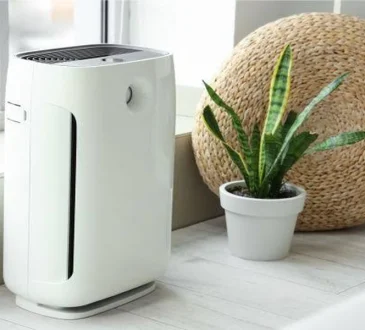
Homeowners typically do not have access to this level of air filtration. Standard household air purifiers are not designed to handle heavy mould contamination and cannot maintain the airflow required during professional remediation.
2. Negative Air Machines and Containment Systems
Another critical tool used by a mould removal company is a negative air machine combined with physical containment barriers. Professionals isolate the affected area using plastic sheeting and sealed entry points during mould remediation. The negative air machine then creates a controlled airflow that pulls contaminated air out of the containment zone and prevents it from escaping into the rest of the building.
This system works by maintaining lower air pressure inside the remediation area compared to the surrounding rooms. Due to this, air is constantly drawn inward rather than leaking outward. A mould removal professional uses this setup to ensure spores disturbed during cleaning do not contaminate nearby surfaces, furniture, or ventilation ducts.
Containment is particularly important when mould growth is extensive or located in areas such as ceilings, insulation, or wall cavities. After all, without proper isolation, spores can quickly spread to other parts of the home. Most homeowners attempting DIY mould cleaning do not realise how easily cross-contamination can occur without professional containment equipment.
3. Moisture Meters and Thermal Imaging Cameras
Mould growth is almost always caused by excess moisture. Due to this reason, a mould removal company must identify the source of moisture before remediation can be completed successfully. Professionals rely on specialised diagnostic tools such as moisture meters and thermal imaging cameras to locate hidden damp areas.
Moisture meters allow a mould removal professional to measure the water content within building materials such as drywall, wood, and flooring. Elevated moisture levels indicate conditions that support mould growth, even if the surface appears dry. This data helps technicians determine whether mould may be developing behind walls or under flooring.
Thermal imaging cameras provide another layer of detection. These devices identify temperature differences that can indicate hidden leaks, condensation problems, or damp insulation. Professionals, by detecting moisture that is not visible to the eye, can address the underlying cause of mould rather than simply removing surface growth.
Homeowners rarely have access to these diagnostic tools, which is why mould often returns after basic cleaning attempts.
Conclusion
Effective mould remediation requires more than surface cleaning. A mould removal company uses specialised equipment designed to detect moisture, control airborne contamination, and remove mould safely from affected materials. Tools such as HEPA air scrubbers, negative air machines, and moisture detection devices allow professionals to manage mould problems in a controlled and systematic manner.
Once handled by a trained mould removal professional, the remediation process focuses not only on removing visible mould but also on preventing spores from spreading and identifying the moisture source that caused the problem. This combination of expertise and specialised equipment is what distinguishes professional mould remediation from basic household cleaning.
Visit BELFOR and let an experienced mould removal company inspect the source of the problem before it spreads further into your home.