Key Takeaways
- Persistent odours and visible mould indicate bacterial buildup inside the unit.
- Weak airflow and slow cooling suggest internal components are clogged with dust.
- Leaks and rising bills often point to maintenance issues rather than system failure.
Introduction
Air conditioner cleaning in Singapore becomes necessary when daily comfort starts to decline in subtle but noticeable ways, especially in environments where cooling systems run for extended hours, which is why air conditioner cleaning in Singapore should be considered part of regular maintenance rather than a reactive fix. Many users assume that a unit continues to perform as long as it produces cold air, yet underlying issues often develop before performance drops significantly. These signs may appear gradually, making them easy to overlook until they begin to affect air quality, efficiency, and energy costs. Recognising early indicators allows users to address problems before they lead to more complex maintenance concerns or reduced system lifespan.
1. Persistent Musty or Sour Odours
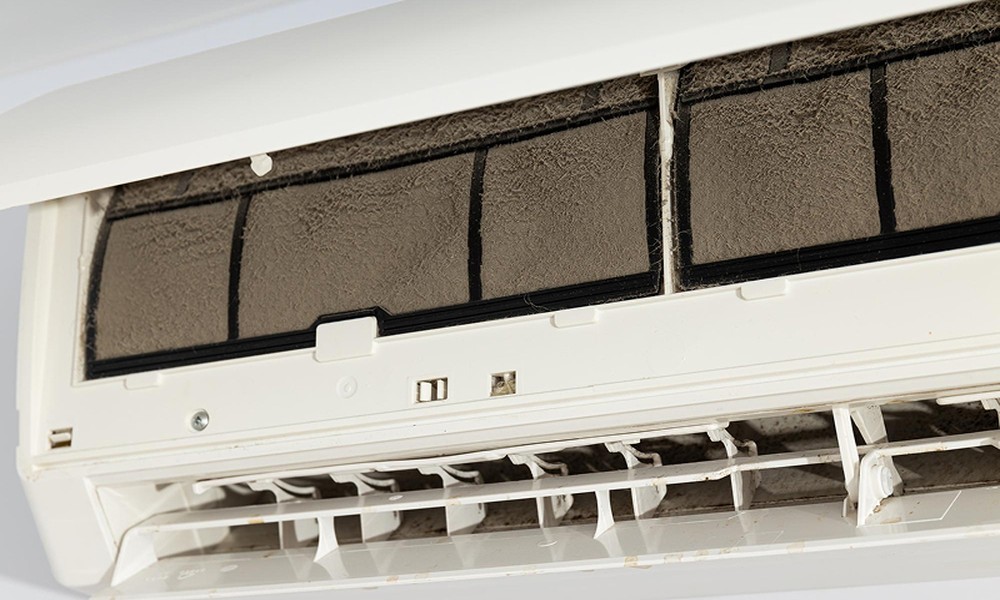
Unpleasant smells often signal bacterial growth within the unit, particularly on components that remain damp during operation. When air circulates through these areas, it carries odours into the room, affecting indoor comfort. This issue tends to persist even after basic filter cleaning, as the source lies deeper within the system. Addressing the problem requires thorough cleaning that targets internal surfaces where moisture accumulates and supports microbial growth.
2. Visible Mould on Air Vents
Dark spots or discolouration on vents indicate mould presence, which can spread as the unit continues to operate. These particles enter the airflow and circulate throughout the space, which affects indoor air quality. Over time, exposure may contribute to discomfort, particularly in enclosed environments. Removing visible mould involves more than surface wiping, as spores often exist beyond the visible areas and require deeper cleaning to prevent recurrence.
3. Unexpected Increase in Electricity Usage
When a unit becomes clogged with dust and debris, it requires more energy to maintain the same cooling output. This increased effort reflects in higher electricity bills, even when usage patterns remain unchanged. Reduced efficiency forces the system to run longer cycles, which adds strain on internal components. Identifying this pattern early helps prevent further inefficiency and supports more consistent energy consumption.
4. Water Leakage During Operation
Water leakage often appears as a visible issue, yet it usually stems from internal blockages rather than structural faults. Accumulated dirt can obstruct drainage pathways, causing water to back up and overflow. While some may assume the need for aircon leak repair in Singapore, cleaning often resolves the underlying cause. Clearing these pathways restores normal drainage and prevents repeated leakage.
5. Weak Airflow from the Unit
Reduced airflow indicates that internal components such as fans or vents are obstructed by dust buildup. Even at higher settings, the unit may struggle to circulate air effectively across the room. This limitation affects cooling performance and creates uneven temperature distribution. Cleaning these components allows air to move freely again, improving overall system performance.
6. Unusual Sounds During Operation
Strange noises can develop when internal parts become unbalanced due to dirt accumulation. As components rotate, uneven weight distribution creates vibrations or irregular sounds. These noises may start subtly but can become more pronounced over time. Cleaning helps restore balance within the system, reducing strain and returning operation to a quieter state.
7. Delayed Cooling Performance
When cooling takes longer than expected, internal buildup may be affecting heat exchange processes. Dust layers on coils reduce their ability to transfer heat efficiently, which slows down temperature reduction. This can create the impression of a more serious fault, even when the issue relates to maintenance. Removing these layers improves cooling response and restores expected performance levels.
8. Increased Dust in Living Spaces
An air conditioner should help filter air rather than contribute to dust accumulation. When internal filters and components become saturated, they may release particles back into the environment. This leads to more frequent cleaning of surfaces and reduced air quality indoors. Addressing the issue through proper maintenance ensures that the unit performs its intended function effectively.
Conclusion
Air conditioning systems often show clear signs when maintenance becomes necessary, yet these indicators can go unnoticed when they develop gradually. Understanding how each symptom connects to internal buildup allows users to respond before performance declines further. Regular cleaning supports both comfort and efficiency, ensuring that the system continues to operate as expected in demanding conditions.
Contact Newway Air Conditioning to schedule professional air conditioner cleaning in Singapore and restore your unit’s cooling performance.