Key Takeaways
- Quartz surfaces resist scratches and stains better than many common materials.
- Engineered stone offers a refined look without the cost of natural marble.
- Long-term durability reduces the need for frequent furniture replacement.
Introduction
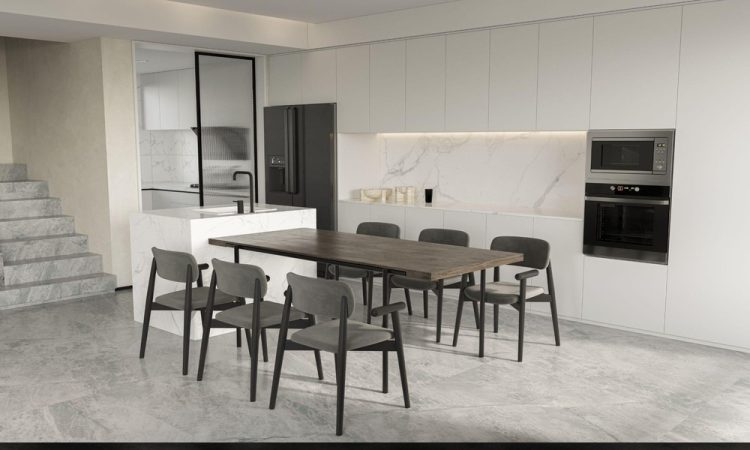
Searching for affordable furniture in Singapore often leads to compromises between visual appeal and long-term performance, especially when selecting a quartz top dining table for everyday use. Dining areas see constant activity, from daily meals to casual gatherings, which places steady pressure on surfaces and structure. Many homeowners initially focus on price, yet repeated wear can quickly expose the limitations of lower-quality materials. Choosing quartz introduces a different approach, where durability and design align more closely, allowing the table to remain functional and visually consistent over time without constant upkeep or early replacement.
1. Understanding Quartz as an Engineered Material
Quartz differs from natural stone because manufacturers combine crushed minerals with binding agents to create a controlled surface. This process results in a uniform finish that avoids the inconsistencies often found in natural slabs. The engineered composition also allows for predictable strength, which helps the table maintain its structure under regular use. Because the material undergoes controlled production, it achieves a level of reliability that supports both durability and design consistency across different furniture pieces.
2. Comparing Quartz with Common Budget Materials
Budget-friendly tables often use laminate or soft wood, which may appear adequate at first but show wear more quickly. Laminate surfaces can peel or fade, while softer timber may scratch or absorb moisture over time. Quartz addresses these issues by offering a harder surface that resists common forms of damage. This difference becomes noticeable in daily use, where repeated contact with utensils, heat, and spills can gradually affect lower-grade materials. Choosing quartz shifts the focus from short-term affordability to sustained usability.
3. Managing Long-Term Costs Through Durability
Furniture decisions often involve balancing upfront cost with expected lifespan, especially when considering a quartz top dining table. While quartz may require a slightly higher initial investment, it reduces the likelihood of early replacement. The material does not require specialised maintenance, which simplifies long-term care. Over time, this consistency allows homeowners to manage expenses more effectively, as the table continues to perform without additional treatments or repairs. This perspective reframes value as a function of durability rather than initial price alone.
4. Suitability for Singapore’s Climate Conditions
Humidity and temperature fluctuations influence how materials behave over time, particularly in indoor environments. Wood can expand or contract under these conditions, which may lead to warping or surface changes. Quartz remains stable despite these factors, maintaining its shape and finish in a humid climate. This reliability makes it suitable for households that require furniture capable of adapting to environmental conditions without compromising structural integrity.
5. Design Flexibility Across Interior Styles
Quartz surfaces come in a wide range of finishes, which allows homeowners to match their dining table with different interior concepts. From minimal layouts to more textured spaces, the material adapts without requiring significant adjustments to surrounding decor. Consistent colour and pattern options make it easier to coordinate with existing furniture. This flexibility supports design continuity, especially in homes where dining areas connect visually with living or kitchen spaces.
6. Ease of Maintenance for Everyday Use
Daily use often involves spills, stains, and general wear that require regular cleaning. Quartz simplifies this process because its non-porous surface resists absorption, which prevents stains from setting in. Routine wiping maintains its appearance without the need for specialised products. This ease of maintenance supports households with active routines, where convenience becomes an important factor in material selection.
7. Structural Pairing with Stable Table Bases
A quartz surface performs best when paired with a well-constructed base that supports its weight and maintains balance. Metal or solid wood frames provide the necessary stability to ensure long-term performance. This combination enhances both safety and usability, particularly in spaces where the table experiences frequent movement or use. Proper pairing ensures that the overall structure functions as a cohesive unit rather than relying on a single material for performance.
Conclusion
Balancing cost and durability requires attention to how materials perform over time rather than how they appear at purchase. Quartz offers a consistent solution that aligns structural reliability with everyday practicality. When chosen with the right support and design considerations, it allows homeowners to maintain a stable and functional dining space without recurring adjustments or replacements.
Contact TheFurniture to explore quartz top dining table options and affordable furniture in Singapore that supports long-term durability.