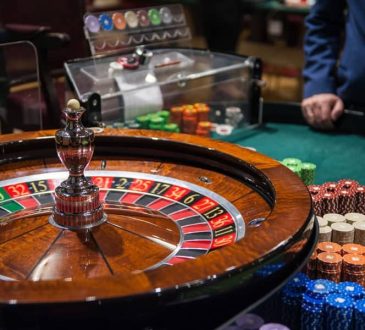
Comparison between these two formats comes down to three measures, and each one splits them cleanly. Randomness source separates them first, since live games draw outcomes from physical objects while RNG games compute them from code. Pace divides them second, because human dealers and instant algorithms run at completely different speeds. Atmosphere finishes the split, as one format offers company and the other offers control. Modern crypto online casino games now place both formats side by side in every lobby, so players choose between them nightly rather than once. Neither format holds a general advantage, and that is precisely what makes the comparison worth examining. A player who knows exactly where each one wins picks better for every session and wastes fewer evenings in the wrong room. The three sections below run the head-to-head on each measure in turn, and the conclusion delivers a straight verdict on where each format takes the point.
How does randomness differ between the two?
Physical chance drives every life outcome from start to finish. A dealer shuffles real cards, a ball rattles around a real wheel, and gravity plus friction decide where things settle. No code touches the result at any stage, and verification happens through watching, since the camera shows the entire process from shuffle to reveal in real time.
Algorithmic generation drives RNG outcomes instead. Seeds combine, formulas execute, and the result exists the instant the round begins. Verification here runs through math rather than eyes, because seed checking proves the outcome was fixed before play started. Both formats deliver genuine unpredictability, yet they earn belief through opposite senses. Live rounds convince players by being seen, and RNG rounds convince them by being checked.
Pace separating live and RNG rounds
Speed marks the sharpest practical difference between the two formats, and it shapes which sessions suit each one.
- Live rounds follow dealer rhythm, with betting windows and natural pauses built in.
- RNG rounds resolve on demand, limited only by how fast a player clicks.
- One live blackjack hand often equals five RNG hands in elapsed time.
- Live tables run on schedules, while RNG games are ready at any hour.
Volume players lean toward RNG for obvious reasons, since a single session can pack in hundreds of results. Players who want an unhurried evening lean toward live tables, because the slower cadence leaves room to think, watch, and sit with the game.
Atmosphere against pure efficiency
Presence fills live rooms in a way that software never attempts to match. A dealer greets players by name, chat scrolls with reactions after big moments, and strangers briefly share something at the same virtual table. The experience carries a social weight that many players seek out deliberately, especially during longer evening sessions.
Efficiency defines the RNG side just as strongly as presence defines the live side. These games involve no waiting, no small talk, and no schedule, and they hand the player total control over rhythm. The solitude works as a feature rather than a flaw, since it suits players who treat sessions as private time. Most people end up rotating between the two moods rather than settling permanently in either format.