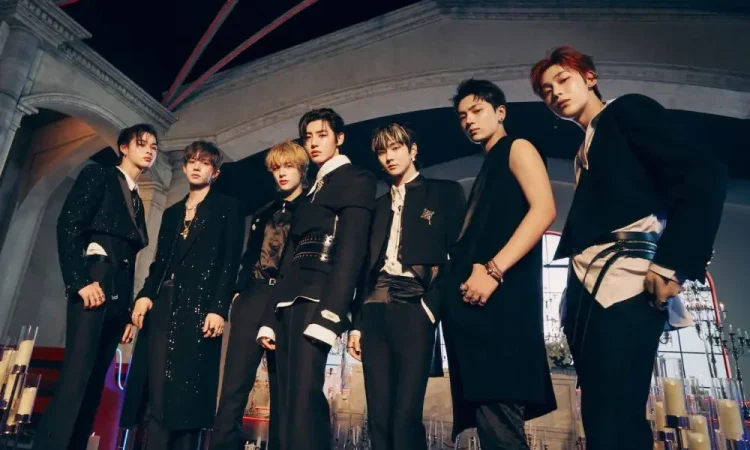
Nine out of the top ten best-selling albums globally in 2024 belonged to K-pop artists. That is not a streaming trick or a chart quirk. That is fans, organized and intentional, building collections. If you are new to the ENGENE fandom or you have a growing pile of albums and photocards with no system behind them, this guide is the thing you needed six months ago.
Collecting Enhypen releases is its own discipline. There are physical albums, concept photo versions, webtoon tie-ins, world tour exclusives, and fan-made pieces that show up between all of it. Getting the order wrong means overspending early, missing limited drops, and ending up with a shelf that looks like it belongs to five different collectors. Getting it right means a coherent, display-ready collection that grows with the group.
Why Enhypen Collections Hit Different
Enhypen is not a casual fandom. According to the IFPI’s year-end Global Album Sales Chart for 2024, nine of the top ten spots went to K-pop artists, with Taylor Swift’s “The Tortured Poets Department” being the only exception. Inside that K-pop sweep, Enhypen’s ROMANCE: UNTOLD ranked No. 2 on the year-end chart. That is not a group coasting on legacy. That is a group whose fans buy deliberately.
The reason is culture, not just loyalty. K-pop products represent more than collectible items and take on a central role in the construction of identity and belonging among fans, with each item carrying a social and emotional role within the fandom. For ENGENEs specifically, the vampire-mythology aesthetic that runs through Enhypen’s discography turns every album era into its own visual world. A DARK BLOOD collector’s setup looks nothing like a ROMANCE: UNTOLD shelf, and that visual contrast is exactly the point.
Academic research from the Athena: Journal of Social, Culture and Society found that K-pop fans’ consumptive behavior is reflected through the act of purchasing a variety of merchandise, and fans who actively collect K-pop photocards treat them as if they are a substitute of their idols, protecting them with care. That is not a criticism. It explains why the community puts so much thought into how items are stored, displayed, and sourced.
The PACT Framework: Four Tiers Every Collection Needs
Most ENGENE collections fall apart at the same point: buying randomly by hype instead of building by tier. I call this the PACT framework, and it works for newcomers and multi-year fans alike.
- Physical albums form the foundation. Buy the version that matches the member you stan, then work outward to full-set completing.
- Accessories and wearables come second. The Engene Bong light stick, eras-specific acrylic stands, and tour apparel are the display items that make a collection feel lived-in.
- Concept photocards are the deep game. These drive the secondary market and require intentional trading strategy rather than impulse buying.
- Tour and event exclusives sit at the top. They are scarce by design, so chasing them before you have the first three tiers covered usually means paying premium prices for items that have no context on your shelf yet.
The framework is not about spending more. It’s about knowing which tier you are currently building so you don’t blow your budget on a tour-exclusive hoodie when you still don’t have the full base album run.
Starting With Albums: Version Strategy Matters
Every Enhypen album ships in multiple versions. ROMANCE: UNTOLD, for example, came in standard and Weverse editions. DARK BLOOD dropped in five different versions. Buying one of each version is the completionist goal, but it is almost never where anyone should start.
The practical approach: pick one version of each era first, prioritizing physical format over digital. Then identify which version carries the photocard set for your bias member and add that one next. Labels release multiple versions of the same album with different covers and content, and fans who acquire all versions reinforce their dedication and connect with other collectors who share the same interest. Knowing that up front prevents the “I bought four versions at once and now I have four of the same poster” problem that derails new collectors every comeback.
For sourcing international releases or post-sale era albums, browsing curated Enhypen merch shops that stock multiple eras in one place saves the multi-tab hunting that eats half a Saturday.
Photocards: Trading Culture Is Half the Hobby
The photocard secondary market is where Enhypen collecting gets genuinely interesting. Within fandoms, displaying a collection, trading photocards, or using an official light stick at a concert are gestures that validate a fan’s presence in that space, and on resale platforms and trading groups, the value of an item is less related to its original cost and more to the symbolic meaning it carries. This network of exchanges reinforces the feeling of community and transforms the act of consuming into a shared experience.
The practical side: join at least one active ENGENE trading group before you start buying photocards outright. A card you want is almost always someone else’s duplicate. Trading before buying saves money and builds fandom connections that make the hobby worth having. When you do need to buy, set a ceiling per card per member rather than reacting to whatever is listed that week.
“Purchasing merchandise has become a way for fans to affirm that identity, and as pop culture markets continue to expand, similar forms of fandom-driven consumption are likely to emerge across global music markets.” – The Korea Times, January 2026
Boy band Stray Kids led K-pop album sales in 2025, followed by Seventeen, NCT Wish, Enhypen, BOYNEXTDOOR, and ZeroBaseOne , according to Circle Chart data reported by The Korea Times in January 2026. That consistent chart presence reflects a fandom that shows up every single era, which is exactly why Enhypen’s secondary market stays active between comeback cycles rather than going quiet.
Display Setups: The Scenario Nobody Talks About
Here is the situation most guides skip: you have a good collection and it looks terrible on a shelf because you never planned the physical display. Albums stacked spine-out next to loose photocards in sleeves next to a light stick that keeps rolling off the edge is not a display. It is a pile.
A strong Enhypen display follows one of two logic systems. Era-based means each shelf or section represents a single comeback, with the album, matching concept photos, and era-specific accessories grouped together. Member-based means each section is organized around one member’s versions and cards across all eras. Pick one system and commit before you buy your next piece, because mixing both turns into chaos after about three comebacks.
Acrylic risers, toploader binders, and shadow boxes are the three physical tools that separate a display collection from a storage pile. None of them need to be expensive. A ten-dollar riser set from any craft store puts albums at readable angles. A photocard binder with labeled dividers by era makes trading and showing-off equally easy.
K-Pop Merch Collecting at a Glance
| Collection Tier | Examples | Best Time to Buy | Resale Pressure |
|---|---|---|---|
| Physical Albums | All versions of each era | Comeback week or post-cycle from resellers | Low to moderate |
| Accessories & Wearables | Engene Bong, tour apparel, acrylic stands | Tour dates or official drops | Moderate after tours end |
| Concept Photocards | Bias member cards per era | From packs, trades, or secondary market | High for rare versions |
| Tour & Event Exclusives | Venue-only items, fan-meet goods | Event day or shortly after on resale | Very high |
How the Global Market Validates What ENGENEs Already Know
Data from the International Federation of the Phonographic Industry (IFPI) illustrate the global dimension of K-pop consumption: in 2024, 17 of the 20 best-selling albums in the world were by South Korean artists, a number that shows the strength of physical sales even in a market dominated by streaming. That figure, reported by HallyuTones in November 2025, points to something ENGENEs understand intuitively: the physical object is not a relic. It is still the center of the culture.
Streaming numbers are shared. A physical album in your hands, a photocard pulled from your bias’s version, a light stick you waved at a show: those are yours. That ownership is what drives the collecting instinct, and it’s why ENGENEs keep showing up era after era with the same energy.
Start with one tier, build it properly, then move up. Your shelf will thank you, and so will your wallet.