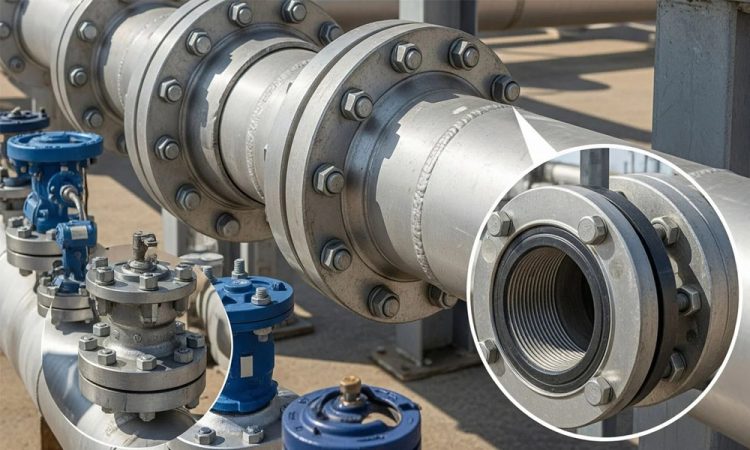
Strong connections hold every system together with steady performance over time. The flange plays a key role in linking sections without causing delay or weakness. When connections stay firm, pressure flow remains stable across various operations. Smooth coordination between parts reduces stress on equipment and improves overall output quality, especially with a reliable oil and gas flange ensuring consistent strength and durability.
Consistent Pressure Distribution Control
Maintaining equal pressure across connected sections supports a stable system output during operations. Balanced distribution reduces the chance of stress buildup in specific areas. This helps in avoiding damage that may affect long-term performance.
Operational Efficiency Support Factors
Efficient systems rely on consistent performance across all connection points. Well-structured designs improve coordination between sections and reduce resistance during operation. The following points highlight key benefits that support better efficiency outcomes:
- Strong connection design reduces leakage risks during high-pressure operations
- Balanced alignment improves steady movement across connected system sections
- Reduced wear helps extend the working life of connected mechanical structures
- Simple installation process saves time during assembly and adjustment stages
- Controlled pressure handling improves output consistency during long working cycles
Efficient Assembly Process Flow
Simple assembly methods help reduce setup time and improve overall coordination during installation. Easy handling allows teams to align parts quickly without unnecessary effort. This supports faster completion of tasks during setup or modification stages. Efficient assembly also reduces errors that may affect performance later.
Improved Structural Load Handling
Systems often face varying load conditions that require strong connection support. Proper design helps distribute the load evenly across all connected sections. This reduces strain on individual parts and prevents early wear. Strong load handling ensures consistent performance, especially when supported by a high-quality oil and gas flange that enhances durability and reliability.
Adaptive System Expansion Capability
Growing systems require flexible connection solutions that adjust to new configurations. Adaptable structures help integrate additional sections without complex changes. This supports smooth expansion while maintaining steady performance levels. Such flexibility also improves long-term usability of the system layout.
Careful selection of connection components helps maintain stability across demanding systems. Strong linking methods reduce failure risks while improving consistent output during operations. Efficient setups depend on proper alignment, controlled pressure handling, and reduced downtime across all sections. When systems run without frequent interruption, productivity improves steadily over time.
FAQ
What role do connection parts play in complex industrial systems operations?
They ensure secure linking between sections while maintaining steady pressure and flow.
Why proper alignment improves performance in large-scale mechanical systems today?
Correct positioning reduces stress buildup and supports smooth movement across connected units.
How do stable joints reduce maintenance needs in heavy-duty operations?
They prevent frequent damage and limit the need for repeated repair actions.