Cold snaps can reveal furnace issues that stayed hidden during mild weeks. A system may still run, yet comfort drops when key parts wear or airflow weakens. In Youngstown, older equipment and fluctuating winter demand can make small defects show quickly.
Early attention can prevent a minor symptom from turning into a no-heat emergency. Homeowners usually schedule furnace repair in Youngstown when cycling, noise, or uneven heating starts to disrupt daily routines. A timely inspection helps confirm the cause and protects safety. This approach also helps families in Youngstown avoid surprise repair costs.
- Ignition Failures and Delayed Heating
Ignition problems can prevent heat from starting, even when the thermostat calls correctly. A worn igniter or dirty sensor can stop the burner from lighting and create repeated start attempts. In homes in Youngstown, delayed heating can feel worse because indoor temperatures drop quickly overnight.
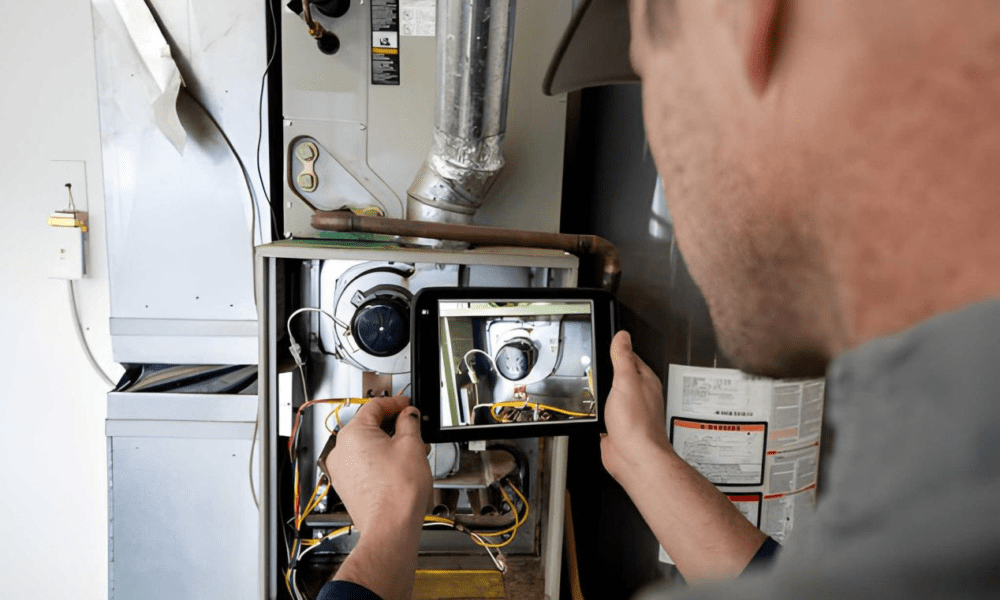
Technicians can test ignition components and verify safe startup sequences. Early service reduces strain on other parts that work harder during repeated attempts. Reliable ignition helps restore comfort and reduces system stress.
- Short Cycling That Raises Energy Use
Short cycling happens when a furnace turns on and off too quickly, which wastes energy and increases wear. It can result from airflow restriction, oversized equipment, or thermostat placement issues. In Youngstown, short cycles can lead to uneven comfort and higher winter utility bills. This problem has several common causes, and the points below outline what technicians check first.
- Dirty air filters that restrict airflow and raise internal temperature too fast.
- Blocked vents or closed registers that reduce circulation and strain the blower.
- Faulty limit switches that trip early and shut the burner down repeatedly.
- Thermostat placement near drafts or heat sources that causes false readings.
- Uneven Heating Across Rooms
Uneven heat can make one room feel comfortable while another stays cold throughout the same cycle. Duct leaks, poor return airflow, or weak blower performance can reduce delivery to distant rooms. In houses with older duct layouts, airflow imbalance can appear during peak winter demand. This issue also has a few typical triggers, and the points below highlight common reasons.
- Duct leaks in basements or attics that waste heated air before it reaches rooms.
- Return vents that are blocked by furniture, rugs, or stored items.
- Supply registers that are covered or shut, which disrupts system balance.
- Blower motors that lose strength and cannot push air through longer runs.
- Strange Noises That Signal Wear
New noises usually indicate that a part has loosened, worn down, or started to fail. Rattling can come from loose panels, while squealing can point to belt or motor issues. In Youngstown, homeowners notice these sounds more when the furnace runs longer cycles.
A grinding noise can indicate a more urgent mechanical problem inside the motor assembly. Ignoring sounds can lead to sudden failure and more expensive repairs. A quick check can confirm the cause and prevent further damage.
- Poor Airflow and Weak Warm Air Output
Weak airflow can make the furnace run longer while rooms stay underheated. Dirty filters, duct restrictions, and blower issues can reduce the volume of warm air delivered. During the winters in Youngstown, poor airflow can lead to cold spots and constant thermostat changes.
For persistent airflow issues, furnace repair in Youngstown helps restore proper circulation by diagnosing blower strength, duct pressure, and filter fit. Technicians can correct restrictions, seal leaks, and confirm that warm air reaches every room consistently. This focused service improves comfort, lowers run time, and protects the furnace from excess strain.
Households in Youngstown face common furnace problems such as ignition failure, short cycling, uneven heating, and unusual noises. Weak airflow can also raise bills and reduce comfort during long winter cycles. With early diagnosis and repair, homeowners can restore reliable heat and protect the system’s lifespan.