Key Takeaways
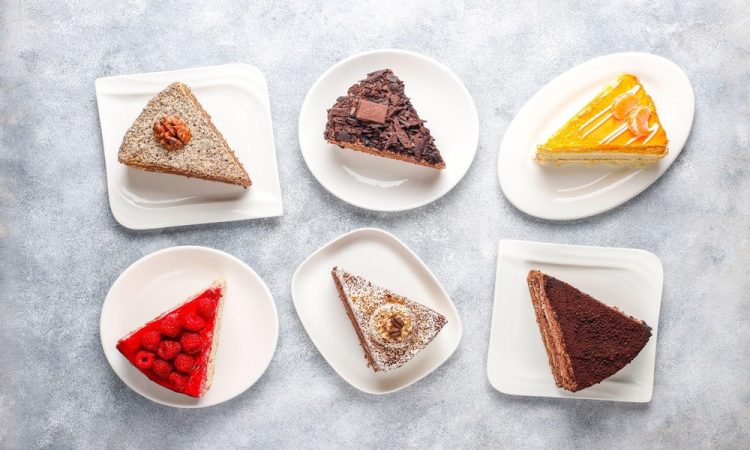
- Different cake types have different shelf lives depending on moisture, dairy content, and storage conditions.
- Fresh cream, mousse, and custard fillings spoil faster than buttercream or ganache.
- Refrigeration can extend freshness but may affect cake texture if done improperly.
- Dense cakes generally last longer than sponge-based cakes.
- Understanding filling stability helps customers plan cake orders and serving schedules more effectively.
- Proper storage is especially important when purchasing a cake in Singapore due to the country’s warm and humid climate.
Introduction
Many customers focus on flavour and appearance when ordering a cake, but shelf life is just as important. Different cake types and fillings react differently to temperature, humidity, and storage conditions. Some cakes remain stable for several days, while others should be consumed within hours. Knowing how long a cake stays fresh helps prevent food waste, texture deterioration, and food safety issues. This knowledge is particularly relevant when ordering a cake in Singapore, where heat and moisture can affect both cake structure and filling stability quickly.
Sponge Cakes and Fresh Cream Fillings
Sponge cakes paired with fresh cream fillings typically have one of the shortest shelf lives among commercial cakes. The sponge itself contains high moisture content, while whipped cream fillings are highly perishable. Once exposed to room temperature for extended periods, the cream can separate or spoil quickly.
Most fresh cream cakes should be refrigerated immediately and consumed within one to two days. Fruit-filled sponge cakes may have an even shorter lifespan because fresh fruits release moisture into the cake layers over time. Strawberries, peaches, and mangoes are common examples that can soften the sponge and accelerate spoilage.
Humidity also affects sponge cakes significantly. After all, in warm environments, the cake may become sticky, while refrigeration can dry out the sponge if not stored in an airtight container.
Butter Cakes and Buttercream Fillings
Butter cakes generally last longer due to their denser structure and lower moisture content. Cakes using buttercream fillings or frosting are also more stable compared to whipped cream-based alternatives. Traditional buttercream contains sugar and fat, which provide better resistance to spoilage under moderate room temperatures.
Once stored properly, butter cakes with buttercream can last three to five days refrigerated. Meanwhile, at room temperature, they typically remain stable for one to two days, depending on environmental conditions.
However, not all buttercream types behave the same way. American buttercream usually lasts longer because of its high sugar ratio, while Swiss or Italian meringue buttercream requires more careful refrigeration due to the inclusion of egg whites. These softer buttercreams may also absorb odours from refrigeration if not covered properly.
ALSO READ: Top Cake Trends You’ll See Everywhere This Year
Chocolate Cakes and Ganache Fillings
Chocolate cakes in Singapore often have relatively good shelf stability, especially when paired with ganache fillings. Ganache made with dark chocolate has a longer shelf life because chocolate naturally contains lower water activity compared to cream-heavy fillings.
Dense chocolate cakes can typically remain fresh for three to four days under refrigeration. Cakes covered entirely in ganache also benefit from an additional protective layer that reduces moisture loss.
However, milk chocolate and white chocolate ganache spoil faster due to their higher dairy and sugar content. If the ganache contains flavoured liqueurs, fruit purées, or cream cheese, the shelf life becomes shorter.
Texture changes are another factor to consider. Refrigerated chocolate cakes often harden, so proper serving temperature matters. Allowing the cake to sit briefly at room temperature before serving usually improves texture and flavour consistency.
Cheesecakes, Mousse Cakes, and Custard Fillings
Cheesecakes and mousse cakes are among the most temperature-sensitive cake categories. These products rely heavily on dairy ingredients such as cream cheese, whipped cream, custard, or gelatin-based fillings.
Most cheesecakes should be consumed within two to three days and kept refrigerated continuously. Mousse cakes are even more delicate because their airy structure weakens quickly when exposed to heat. Once left outside for extended periods, mousse fillings may collapse or become watery.
Custard-filled cakes also require strict temperature control. Since custard contains eggs and milk, bacterial growth becomes a concern when storage conditions are poor. Due to this, bakeries often recommend consuming custard cakes on the same day whenever possible.
Conclusion
Cake shelf life depends largely on cake structure, moisture levels, and filling composition. Dense butter and chocolate cakes generally last longer, while sponge cakes, mousse cakes, and custard fillings require faster consumption and stricter refrigeration. Understanding these differences helps customers make better decisions when ordering cakes in Singapore for events, transport, or delayed serving schedules. Proper storage remains essential to maintaining freshness, texture, and food safety across all cake types.
Visit Swee Heng Bakery to work with experienced bakers who help ensure your cake stays presentable, safe to consume, and enjoyable from delivery to serving time.