Key Takeaways
- A Reggio Emilia classroom focuses on child-led learning and creativity
- The environment acts as a “third teacher” with purposeful design
- Strong emphasis on collaboration, communication, and inquiry
- Families are actively involved in the learning journey
Introduction
Choosing the right early childhood environment can feel overwhelming. Every parent wants a space where children are not just cared for, but truly understood. That’s where the Reggio Emilia approach starts to stand out. It doesn’t rush learning or box children into rigid routines. Instead, it listens, really listens, to what children are curious about.
At leading institutions that embrace this philosophy, it becomes more than a teaching method. It shapes how children explore, question, and grow within a thoughtfully designed preschool in Singapore.
What Makes a Reggio Emilia Classroom Feel Different?
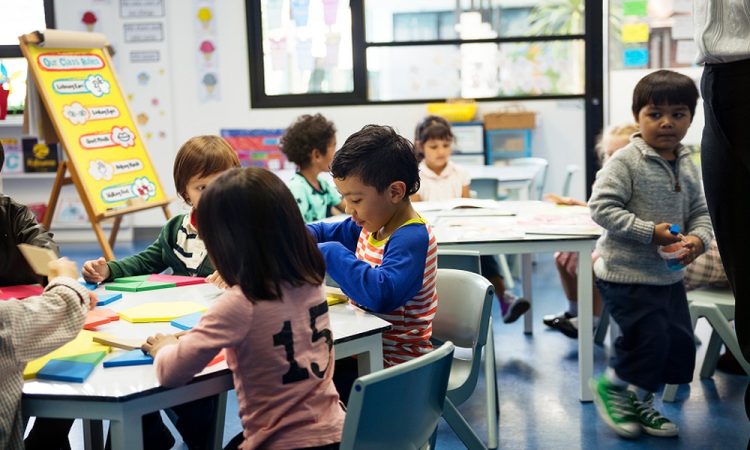
Walk into a Reggio-inspired classroom and something feels calmer, yet more alive. There’s no clutter of plastic toys or noisy distractions. Instead, you’ll notice natural materials, soft lighting, and spaces that invite children to linger and think.
This isn’t accidental. The environment is considered a “third teacher”. Every object and layout decision serves a purpose. Children are encouraged to move freely, choose activities, and express ideas in ways that feel natural to them.
Classrooms designed around this philosophy often feature open-ended materials such as wood, clay, and fabric. Spaces evolve based on children’s interests, and learning journeys are documented visibly so children can revisit and reflect on their experiences.
It’s not just about aesthetics. It’s about creating a space where children feel respected and capable.
Learning Through Curiosity, Not Pressure
Traditional systems often focus on outcomes such as letters, numbers, and milestones. The Reggio Emilia approach shifts that focus slightly. It asks what happens when curiosity comes first.
In a preschool in Singapore that follows this method, lessons don’t always look like lessons. A simple question like “Why do shadows move?” can grow into a deeper exploration involving art, storytelling, and science.
Educators act more like guides than instructors. They observe closely, ask thoughtful questions, and extend children’s thinking in meaningful ways. There is structure, but it remains flexible and responsive to each child.
This approach ensures that learning feels meaningful rather than forced. Children tend to retain more when they are genuinely interested and engaged in the process.
Relationships Matter, A Lot
Another defining feature of the Reggio Emilia approach in Singapore is its strong emphasis on relationships. Learning is not seen as an individual task. It is social, collaborative, and connected to the wider community.
Children often work in small groups, sharing ideas and solving problems together. There may be moments of disagreement or trial and error, but these experiences support the development of communication and empathy.
Families are also valued as important partners. Through regular communication and shared insights into children’s progress, parents remain closely connected to their child’s learning journey.
A Foundation That Goes Beyond Academics
So what does all this lead to?
Children in a preschool in Singapore that adopts this philosophy often develop confidence in expressing their ideas. They become stronger problem-solvers and show a natural curiosity about the world around them. Emotional awareness also grows as they learn to work with others and understand different perspectives.
These qualities form a strong foundation for lifelong learning. Academic skills still matter, but when children are curious and engaged, those skills tend to develop more naturally.
Conclusion
A Reggio Emilia classroom does not promise quick results or rigid outcomes. What it offers is a thoughtful approach to early education that sees each child as capable and full of potential.
For families exploring the Reggio Emilia approach in Singapore, this method provides a supportive environment where learning feels meaningful and personal. It is not about doing more, but about focusing on what truly matters at the right pace.
To experience this approach firsthand, contact EtonHouse today.