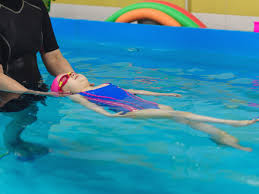
If you have a child who hates goggles, you are not alone. I have seen this issue in pool after pool, across many swim schools. Some children refuse to put goggles on at all. Others wear them for thirty seconds, then rip them off. Some complain they hurt. Some say they cannot see. Some look fine in the changing room, then panic as soon as water touches their face. Goggles seem like a small detail, but they can shape how a child feels about swimming. When goggles become a battleground, swimming lessons can feel harder than they need to. Parents often start looking for swimming lessons near me because they want a calm, structured approach that solves these small barriers properly, not with pressure. If you are exploring a programme that focuses on confidence first, you can start with swimming lessons near me.
I write as a long time swimming blogger and I pay close attention to what causes children to resist the water. Goggles are one of the most common triggers, especially for beginners. The good news is that most goggle issues are solvable. In most cases, the problem is not stubbornness. It is discomfort, fear, or lack of familiarity. Once you understand the real cause, you can fix it with simple steps that support confidence and reduce stress.
Why goggles trigger such strong reactions
Goggles sit right on the face. For some children, that feels strange or tight. It can feel like pressure around the eyes or nose. Some children dislike anything that feels restrictive. Some dislike the cold rubber. Some dislike the sensation of suction.
Goggles also change a child’s sense of control. Without goggles, many children close their eyes when water splashes their face. With goggles, the child can see clearly underwater, which is helpful, but it can also feel unfamiliar. The child may see bubbles, movement, and reflections they are not used to. For some, that feels overwhelming at first.
Goggles are also linked to a fear of water on the face. If a child is not yet comfortable with face wetting, goggles can become a symbol of that fear. They assume goggles mean their face will go underwater, and they resist from the start.
The most common reasons children hate goggles
Most goggle problems fall into a few simple categories.
Fit and comfort problems
Poor fit is the number one issue. Some goggles pinch the nose. Some press too hard on the eye socket. Some sit too low or too high. Some straps are too tight. Some straps slip and pull hair.
Children do not always explain fit issues clearly. They just say “I hate them” or “they hurt”. If goggles hurt once, the child expects pain every time. That expectation alone can cause refusal.
Leaks that break trust
When goggles leak, children feel water in their eyes and lose trust. Once that happens, they may refuse goggles even if the next pair fits well. In their mind, goggles equal discomfort.
Leaks often come from:
- Wrong size
- Hair caught under the seal
- Strap placed too high or too low
- Child pulling goggles off and on repeatedly
- Old seals that have lost grip
A child who fears leaks often tightens goggles too much, which creates pain. The cycle continues.
Fog that makes children feel blind
Fog is another common trigger. A child puts goggles on, enters the pool, and cannot see clearly. They feel lost. They may panic and remove them. Some children then refuse to use goggles again.
Fog is normal, but children do not know that. They interpret it as failure. A calm explanation and simple anti fog habits can help.
Sensory sensitivity
Some children dislike the feel of the strap, the pressure around the eyes, or the sensation of water running around the face. These children may also dislike hats, tight clothing, or labels in clothes. Goggles can feel like too much input.
In these cases, the solution is gradual exposure and a fit that feels gentle, not tight.
Fear of putting the face in water
Many children hate goggles because they fear face immersion. Goggles remove the option to avoid water on the face. The child expects they will be asked to put their face under, and they resist early.
This is not a goggle problem alone. It is a confidence issue that needs calm teaching.
Why forcing goggles usually backfires
Some parents try to solve goggles by insisting. It is understandable. Lessons need to run. Instructors often require goggles for certain skills. Parents may feel pressure on poolside and want the problem fixed fast.
But forcing goggles often creates a stronger negative association. The child feels trapped. Their body tenses. Their breathing changes. They start the lesson stressed. The lesson then becomes harder, and the child blames the goggles.
The goal should be to build trust, not to win a short term fight.
What good instructors do differently
Experienced instructors treat goggles as part of confidence building, not as a separate problem. They help children feel in control.
Good instructors often:
- Check fit and strap placement early
- Encourage children to try goggles on dry land first
- Use simple routines so goggles feel normal
- Build face confidence slowly
- Avoid rushing a child into full submersion
- Reinforce calm breathing when goggles go on
This approach reduces resistance and improves progress.
If you want an example of a calm, structured approach that supports confidence and removes small barriers, the programme information under swimming lessons is useful, because it shows how sessions build skills step by step rather than jumping ahead.
How to choose goggles that children tolerate
There is no perfect goggle for every child, but there are clear features that help.
Look for:
- Soft silicone seals
- A small, child sized frame
- A strap that adjusts smoothly
- A nose bridge that fits without pinching
- A shape that sits on the bone around the eyes, not the soft eyelid area
Avoid bulky adult goggles. Avoid hard plastic frames that press into the face. If possible, try goggles in a shop so your child can test comfort.
One important point. Goggles should feel snug, not tight. Tightness increases pain and makes children more likely to remove them.
The best way to fit goggles on a child
Many parents fit goggles too tight because they fear leaks. A better method is to start loose and adjust gradually.
A simple fitting process works well.
First, place the goggles on the eyes without the strap and let them suction gently. If they stick for a moment, the seal is likely decent.
Then place the strap at the back of the head, around the widest part, not high on the crown. Straps set too high often cause leaks. Straps too low often slip.
Finally, tighten only enough to keep them in place. If the goggles leave deep marks, they are too tight.
A good fit reduces leaks, reduces pain, and builds trust.
How to build goggle confidence at home
You do not need to teach swimming at home to solve goggle issues. You only need to make goggles familiar and low pressure.
Start with short dry land practice:
- Let your child wear goggles for one minute while playing
- Praise calm behaviour, not performance
- Remove them before the child gets annoyed
- Repeat the next day for another minute
After this, add water in small steps at bath time. Let the child wear goggles while splashing hands in water. Then let them dip the chin. Then the lips. Then blow bubbles.
Keep it playful. Stop while it is still positive. The aim is to reduce tension, not to push through fear.
What to do if your child rips goggles off mid lesson
If a child removes goggles mid lesson, the best response is calm. Panic from adults often increases panic in the child.
A helpful approach is:
Acknowledge the feeling. Reset. Try again later.
Instructors often do this well. Parents can support it by not reacting with frustration. The child needs to know that removing goggles is not a disaster. It is just information.
Once the child feels safe, they often try again.
Anti fog and visibility tips that help children
Fog makes children feel unsafe because they cannot see. A simple anti fog routine helps.
Many instructors use a quick rinse before the lesson. Some use anti fog spray. Some teach children not to touch the inside lens, because this removes the coating.
Parents can help by keeping goggles clean and storing them in a case so the lenses do not scratch. Scratches reduce vision and increase frustration.
When goggles are not the real problem
Sometimes goggles are blamed, but the real issue is water confidence. A child may hate goggles because goggles mean face immersion. If the child fears water on the face, you need to work on confidence first.
Signs this is the case include:
- Child refuses any face wetting
- Child holds breath and stiffens
- Child panics when splashed
- Child becomes upset when asked to blow bubbles
In these cases, the right swimming programme matters more than the goggle brand.
If you are looking for a structured local option, especially for swimming lessons in Leeds, you can review the lesson setup at swimming lessons in Leeds. A calm progression that builds breathing and face comfort often reduces goggle issues without needing to fight them.
Why solving goggles early helps long term progress
When goggles fit well and feel normal, children relax. They put their face in the water more easily. They learn breathing skills faster. They feel safer because they can see clearly.
This affects progress in a big way. Many early swimming skills depend on face immersion, such as:
- Blowing bubbles
- Floating with the face near the surface
- Learning to breathe to the side
- Building calm front crawl habits
If goggles become a stress trigger, these skills take longer. If goggles become normal, the path becomes smoother.
A calm recommendation and next step
If your child hates goggles, do not assume they will grow out of it without support. The best approach is simple. Check fit. Reduce pressure. Build familiarity. Work on confidence with the face in the water.
In my experience, the most effective results come from steady, structured lessons where instructors treat goggles as part of confidence building rather than a battle to win. If you are currently searching for swimming lessons near me, starting with a programme that prioritises calm foundations is the sensible move.
Small issues like goggles can feel big in the moment, but they are solvable. With a calm approach, most children move from refusal to routine. And once goggles stop being a problem, swimming becomes easier, safer, and far more enjoyable.